
Earthmoving Toowoomba City QLD 4350
Central sites combine established services, constrained work zones and busy vehicle movements.
Send My Site Details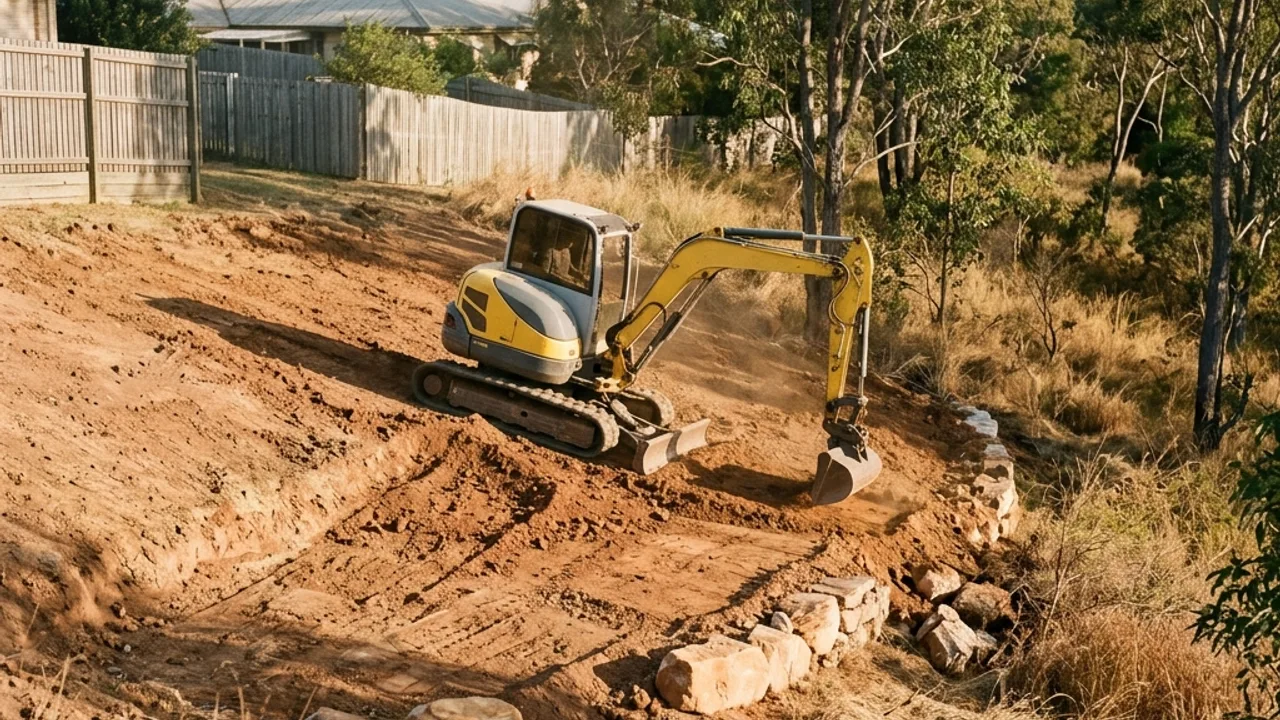
Earthmoving Toowoomba service decisions in Toowoomba City
Finally, the brief should outline any requirements for protecting existing public assets or private property during works, such as hoarding or temporary fencing along Herries Street.
About Toowoomba City
Navigating the earthmoving requirements within Toowoomba City demands a strategic approach, where the established urban fabric dictates much of the project's complexity. Unlike open rural sites, central properties often feature dense infrastructure, both visible and concealed. Think of areas around Queens Park or near the Toowoomba Railway Station; these zones are characterised by tightly packed buildings, mature streetscapes, and high pedestrian and vehicle traffic along thoroughfares like Ruthven and Margaret Streets.
Local excavation context for Toowoomba City
This environment means any ground disturbance must account for existing underground services – power, water, gas, communications – often laid decades ago with less precise records than modern installations. Work zones are typically constrained, limiting machine selection to compact excavators or loaders, and material handling becomes a logistical puzzle, with little room for on-site stockpiling. The continuous movement of people and vehicles necessitates a detailed safety and traffic management plan.
To transform this context into a clear earthmoving brief, an owner must first invest in comprehensive service locating. A 'Before You Dig Australia' enquiry is an important starting point, supplemented by ground-penetrating radar if legacy services are suspected. The brief should detail precise access dimensions, noting any height or width restrictions for machinery entry and exit.
Navigating the earthmoving requirements within Toowoomba City demands a strategic approach, where the established urban fabric dictates much of the project's complexity. Unlike open rural sites, central properties often feature dense infrastructure, both visible and concealed. Think of areas around Queens Park or near the Toowoomba Railway Station; these zones are characterised by tightly packed buildings, mature streetscapes, and high pedestrian and vehicle traffic along thoroughfares like Ruthven and Margaret Streets. This environment means any ground disturbance must account for existing underground services – power, water, gas, communications – often laid decades ago with less precise records than modern installations. Work zones are typically constrained, limiting machine selection to compact excavators or loaders, and material handling becomes a logistical puzzle, with little room for on-site stockpiling. The continuous movement of people and vehicles necessitates a detailed safety and traffic management plan. To transform this context into a clear earthmoving brief, an owner must first invest in comprehensive service locating. A 'Before You Dig Australia' enquiry is an important starting point, supplemented by ground-penetrating radar if legacy services are suspected. The brief should detail precise access dimensions, noting any height or width restrictions for machinery entry and exit. A detailed site plan, clearly marking all proposed cut and fill areas, finished levels, and the precise footprint of any structures, is paramount. Critically, the plan needs to include a spoil management strategy: where excavated material will be temporarily stored (if at all) and the proposed routes and methods for off-site transfer. For central projects, even small quantities of spoil removal can require coordinated tipper movements, potentially outside peak traffic hours. Finally, the brief should outline any requirements for protecting existing public assets or private property during works, such as hoarding or temporary fencing along Herries Street.
Earthmoving services available in Toowoomba City
Preparing a useful site brief
A detailed site plan, clearly marking all proposed cut and fill areas, finished levels, and the precise footprint of any structures, is paramount. Critically, the plan needs to include a spoil management strategy: where excavated material will be temporarily stored (if at all) and the proposed routes and methods for off-site transfer. For central projects, even small quantities of spoil removal can require coordinated tipper movements, potentially outside peak traffic hours. Include Queens Park, Grand Central, Toowoomba Railway Station when they help orient the site notes.