
Trenching and Drainage for Toowoomba Sites
Excavate service and stormwater routes to nominated grades while managing existing underground assets. Start with dimensions, access, plans, ground and the intended handoff.
Send My Project Details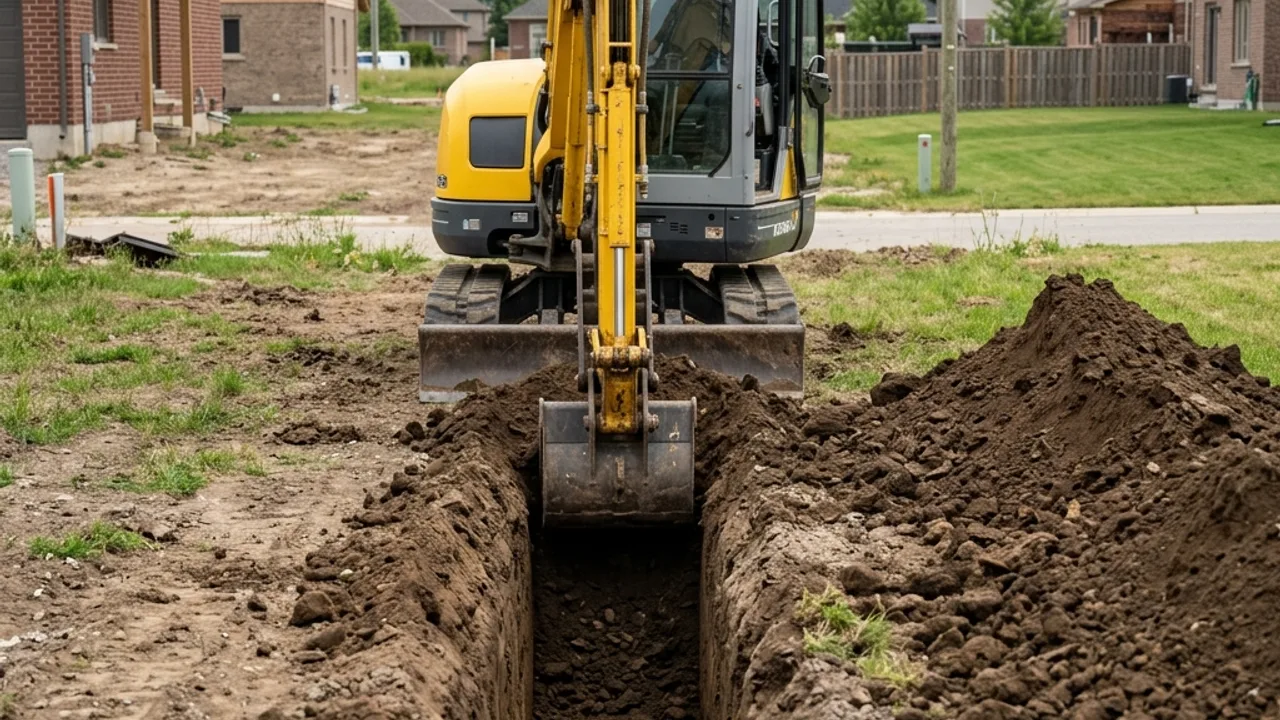
Who this Earthmoving Toowoomba service helps
A trench needs a known route, depth, width and purpose before machinery starts. Current underground-service information, locating and coordination with the licensed trade reduce the chance of a strike or a trench that cannot achieve the required fall.
What the trenching and drainage scope may include
Decisions to settle before machinery arrives
Plans are an important starting point, but they do not prove the exact position or depth of every asset. The excavation method changes near existing services, structures and unstable ground. Confirm boundaries, access, underground services, exclusions, site protection, material handling and the point at which another licensed or qualified party takes responsibility.
A practical sequence for this work
- 1. Share plans, photos, measurements and the required result.
- 2. Review access, services, ground and material assumptions.
- 3. Compare a written scope that identifies inclusions and exclusions.
- 4. Confirm levels and handoff requirements before work starts.
Why preparation matters for trenching and drainage
Toowoomba site conditions to raise early
Trenching across established Toowoomba properties demands current service information, a route that preserves the required fall, and a method suited to the ground beside structures. Toowoomba clay profiles, variable fill and established underground assets create different controls, so the observed route must drive the scope.
A Toowoomba trench route should be drawn from the connection point to the discharge or service destination, with depth, grade and crossing points shown. Current asset plans are only the start because private electrical, irrigation and stormwater lines may not appear on them. Note whether the route crosses reactive soil, trafficable paving or a wet overland-flow path. Those facts affect excavation support, bedding, backfill, compaction and the condition handed to the licensed following trade.
For trenching and drainage, compare the named sub-scopes of utility route excavation, stormwater grade formation, bedding and backfill preparation. Ask the provider to mark each one as included, excluded or subject to site confirmation. This keeps the quote tied to the physical result instead of a broad equipment allowance and gives the following trade a clearer point for accepting the ground.
A useful trench brief identifies what the trench serves, its route, profile, required fall and downstream handoff. Current service plans and site locating are separate inputs, and excavation near a marked asset may require a different method. Clarify whether bedding, pipework, pits, backfill, compaction and testing belong to this scope or another licensed trade. Spoil placement and safe access along an open trench also need decisions. A written sequence prevents the excavator arriving before route, depth or installation responsibility is ready.
Trenching and Drainage questions
Should underground services be checked before excavation?
Can earthmoving improve backyard drainage?
What changes when rock is found?
Can excavated soil stay on my property?
Do earthmoving contractors build retaining walls too?
Trenching and Drainage across Toowoomba
Pick your suburb for the local notes, or submit the form for a free review.